

The art of Moodboarding: Your Ultimate Guide
5 min read
Moodboarding is the creative roadmap to transforming a vision into reality. Whether you’re redesigning a room or starting from scratch, mastering the art of moodboarding is the key to crafting spaces that resonate with your style. In this guide, we’ll delve into the why, what, and how of moodboarding, empowering you to embark on your design journey with confidence and flair.
© Image by freepik
What is a Moodboard?
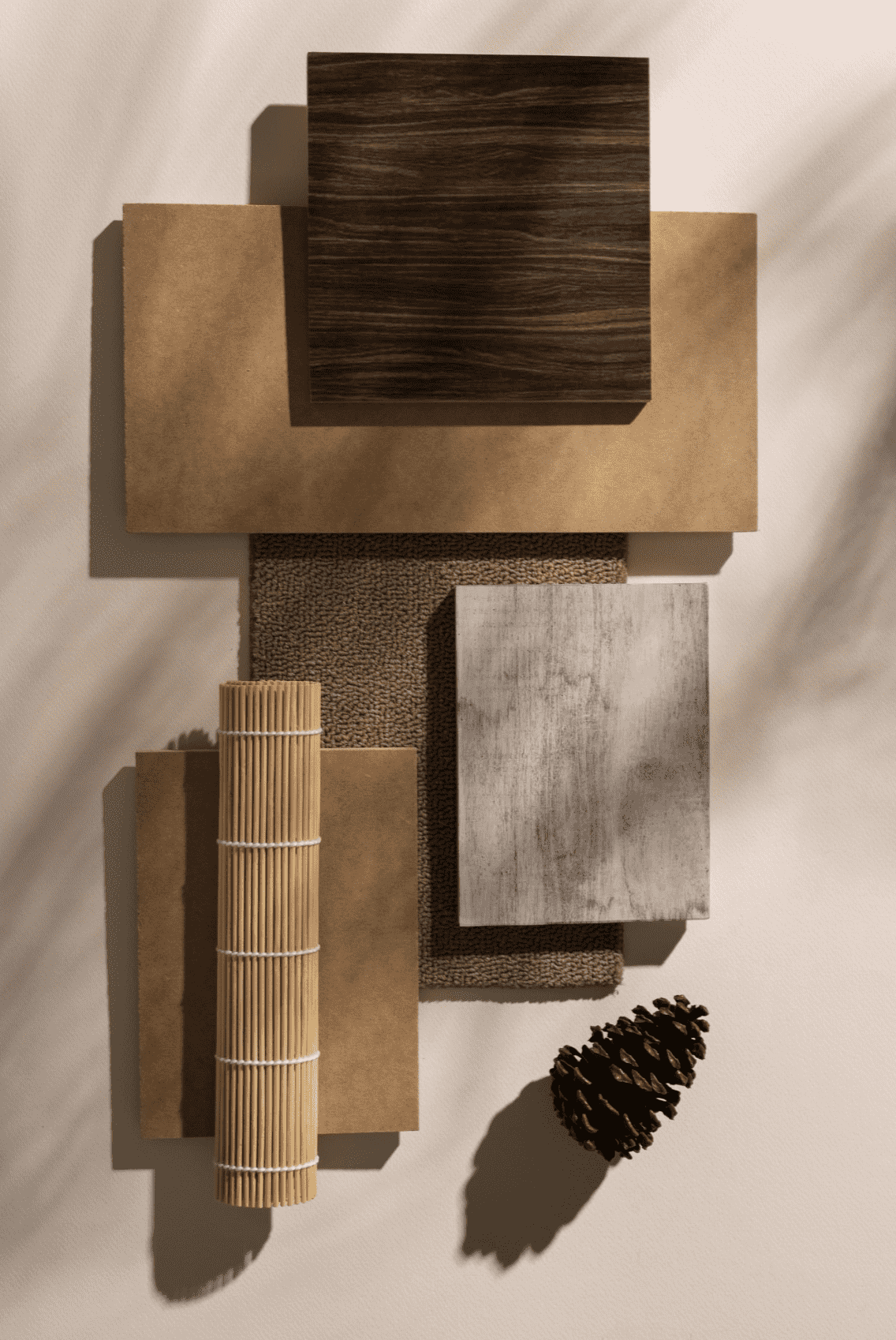
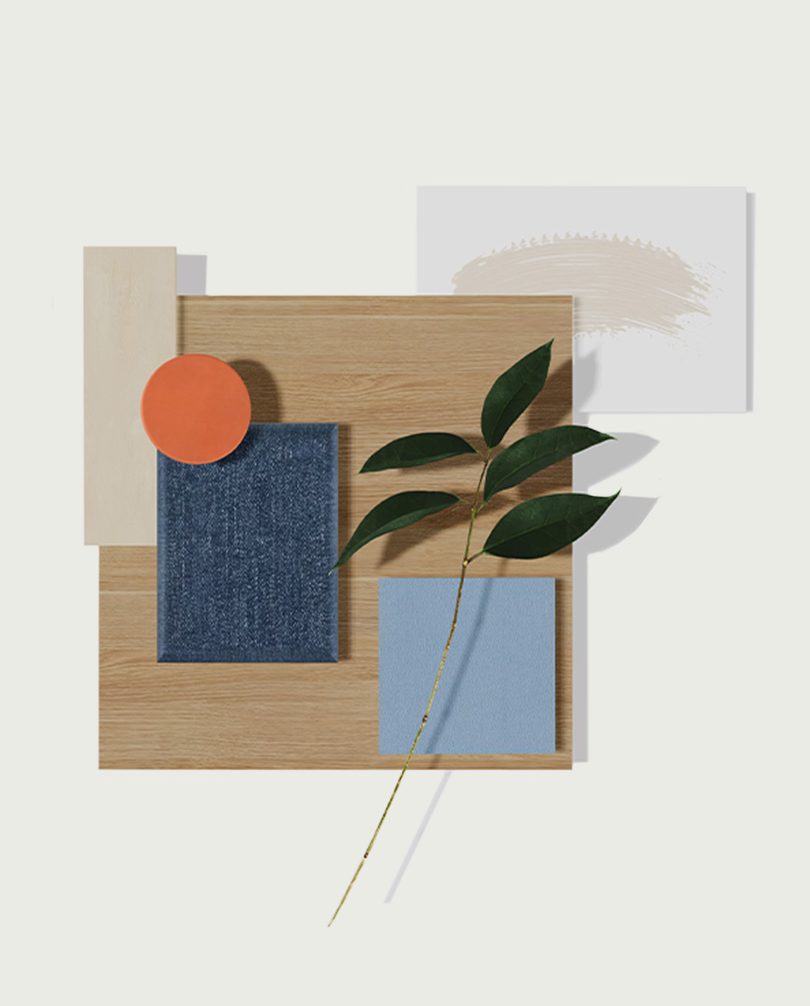
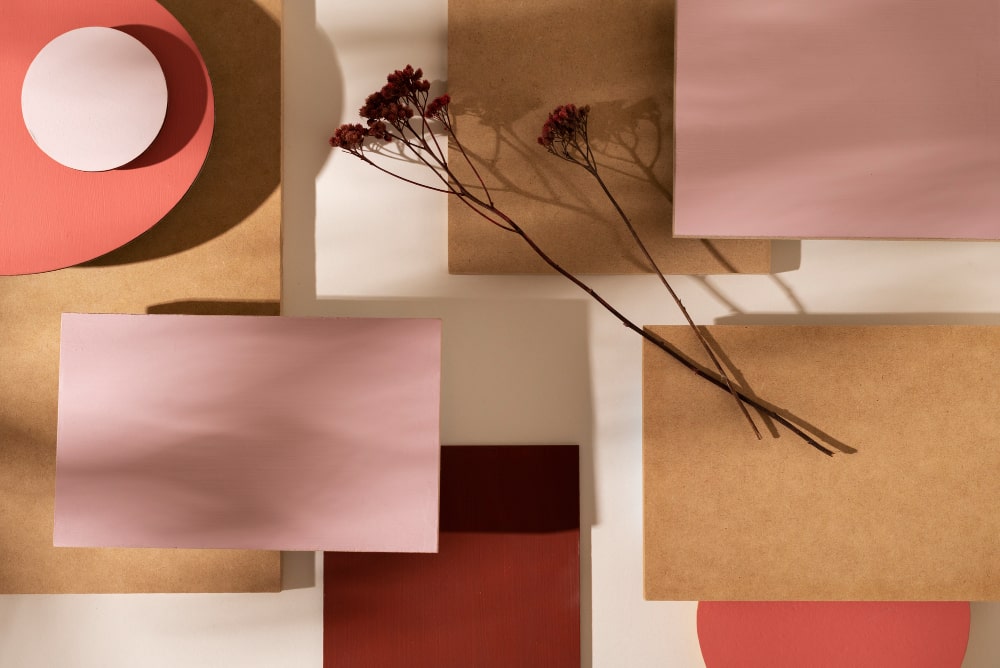
A moodboard is a visual collage that captures the essence of a design concept. It’s a curated collection of images, textures, colors, and materials that collectively evoke the desired atmosphere for a space. Think of it as a design vision board, a tangible expression of the emotions and aesthetics you want to convey in your home or office.
Why Moodboarding Matters:
- Visualizing Your Vision: Moodboards serve as a visual brainstorming tool, helping you see how different elements work together before committing to them in your space.
- Effective Communication: Whether you’re working with a designer or conveying ideas to others, a moodboard is a powerful communication tool that ensures everyone is on the same page.
- Inspiration Source: A well-crafted moodboard sparks inspiration. It becomes a touchstone for your design decisions, steering you back to your initial vision throughout the creative process.
How to create a Moodboard:
Step 1: Define Your Style and Purpose
Before diving into visuals, articulate the style and purpose of the space. Are you aiming for a cozy, minimalist bedroom or a vibrant, eclectic living room? Clarifying this sets the tone for your moodboard.
Step 2: Gather Inspirations
Collect images that resonate with your vision. This could include photos, magazine clippings, fabric swatches, and even screenshots from your favorite design websites or social media.
Step 3: Curate and Edit
Review your collection and curate the most impactful elements. Eliminate anything that doesn’t align with your vision, ensuring cohesiveness in your final moodboard.
Step 4: Assemble Your Moodboard
Using a physical board or digital tools, assemble your curated elements into a cohesive collage. Pay attention to the arrangement, balance, and overall visual impact.
Step 5: Iterate and Refine
Moodboarding is an iterative process. Don’t hesitate to make adjustments until your moodboard perfectly encapsulates your design vision.
© Image by freepik
Bringing your Moodboard to life:
Once your moodboard is complete, use it as a guiding light for your design decisions. From choosing furniture and color schemes to selecting textures and accessories, refer to your moodboard to ensure consistency and alignment with your original vision.
Remember, moodboarding is a personal and dynamic process. It evolves with your ideas and inspirations, making it a valuable tool at any stage of your design journey. Embrace the creative journey, and let your moodboard be the compass that leads you to a space that reflects your unique style and personality.
Happy designing!
© Image by freepik
Connect with us
We’d love to hear from you! Feel free to reach out, ask questions, and share your thoughts. Follow us on our social media channels to stay updated with the latest trends and design tips.
Thank you for joining us on this exciting journey. Together, let’s make your living spaces a true reflection of you!
Warm regards,
Esther
Founder, Design Huys
Subscribe
Stay in the Design Huys loop! Get the latest interior design inspiration, tips, and trends delivered right to your inbox.

Dedicated to create beautiful and innovative designs to enhance your lifestyle. Explore our offerings and discover the perfect design for your space.
Based in Amsterdam
Blog Topics
Sustainability
Inspiration, Trends & Products
Our Work
Interior Design Tips
Events
© DesignHuys from 2023 - All rights reserved | Privacy Policy | Cookie Policy